-
 Tel:86-15176910262
-

Search
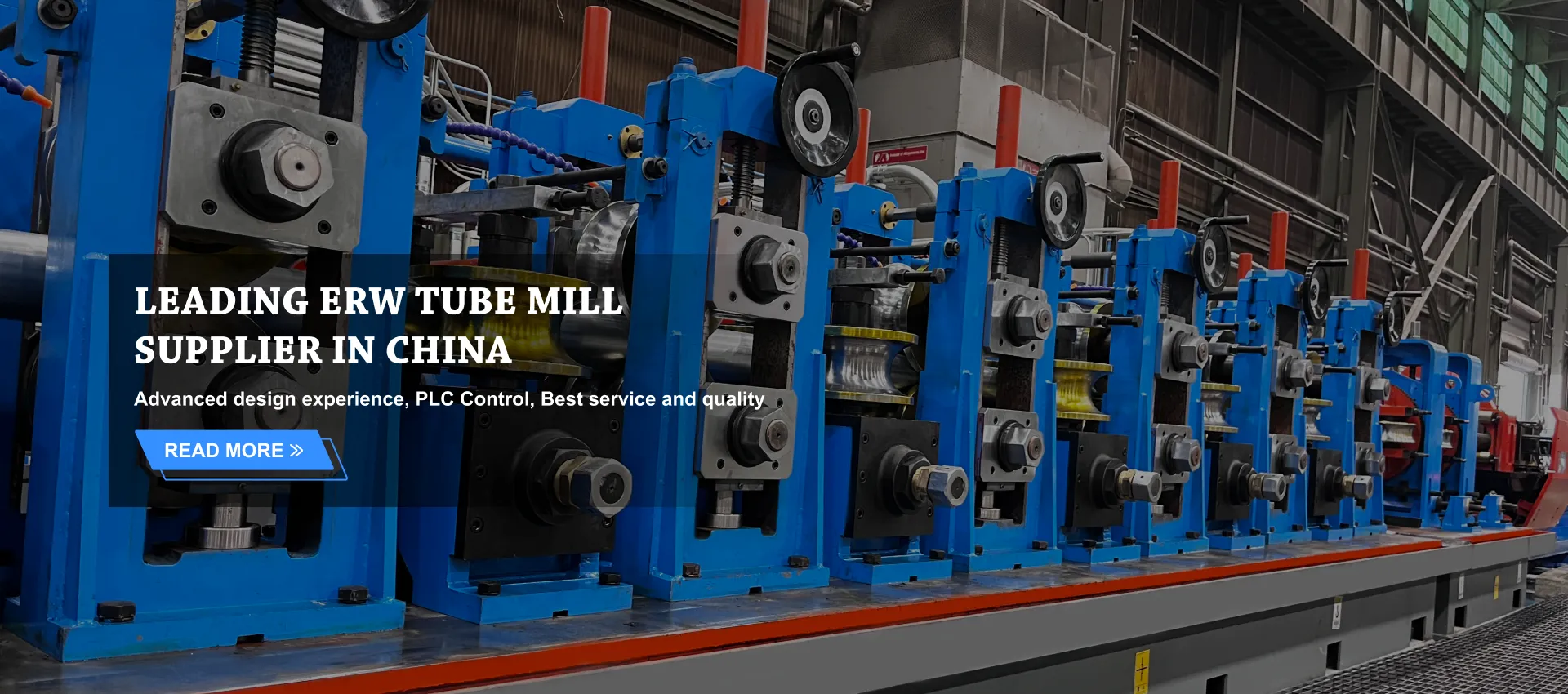
Latest Quick Change system, FFX and DFT Tech.

PRODUCT
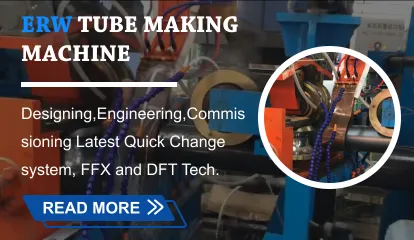
ERW TUBE MILL, SLITTING LINE, CUT TO LENGTH LINE SUPPLIER
-
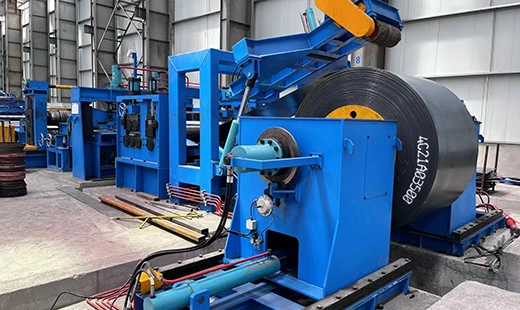 z purlin making machine
z purlin making machine
C Purlin Forming Machine | High-Speed, Precise, Adjustable
READ MORE
-
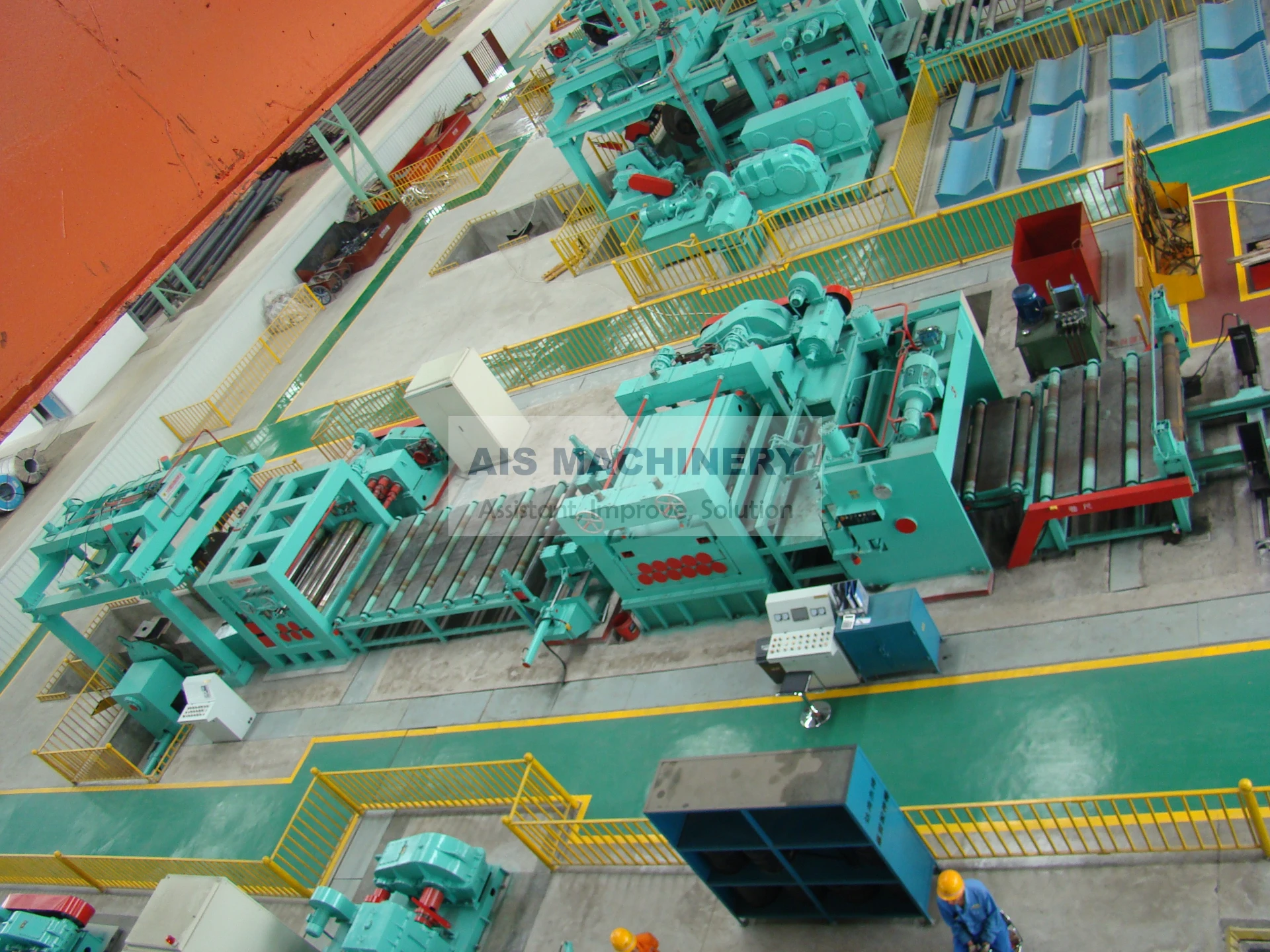 steel pipe making machine manufacturers
steel pipe making machine manufacturers
Steel Pipe Making Machine for Sale: How to Choose the Right Equipment and Manufacturer
READ MORE
-
 circular slitter knives
circular slitter knives
Top Slitter Knives: Precision & Durable Rotary Blades
READ MORE
-
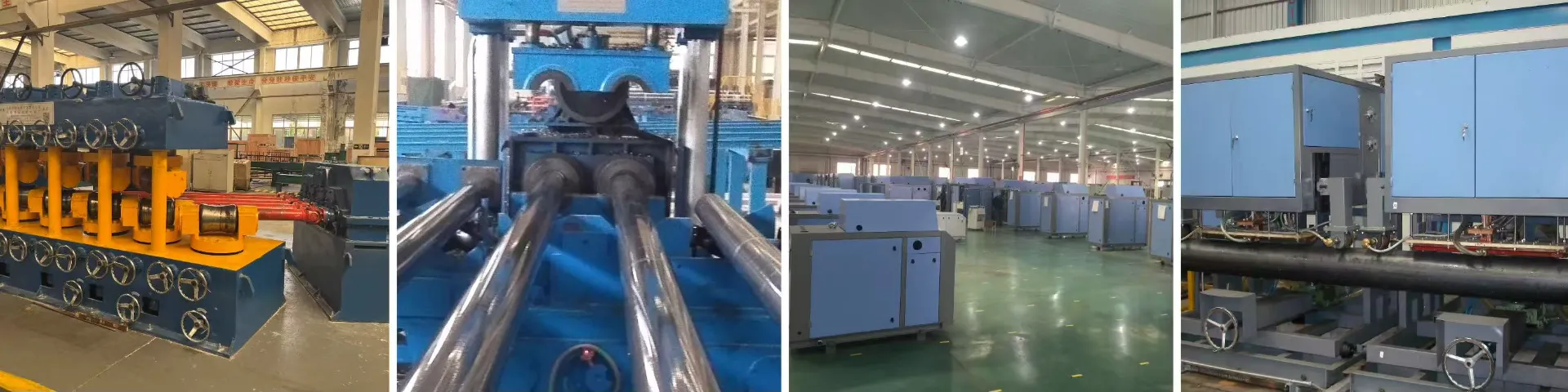 erw tube mill process
erw tube mill process
8-inch ERW Tube Mill - HEBEI AIS MACHINERY EQUIPMENT CO.,LTD _ Precision & Durability
READ MORE
-
 coil flattener
coil flattener
Coil Slitting Line Coil Thickness Range
READ MORE
-
strip accumulator
strip accumulator
Horizontal Accumulator
READ MORE
-
 square pipe making machine price
square pipe making machine price
Steel Pipe Making Machine for Sale: How to Choose the Right Equipment and Manufacturer
READ MORE
-
upright rack roll forming machine
upright rack roll forming machine
Roof Panel Roll Forming Machine for Metal Roofing Sheets
READ MORE

pipe chamfering
The Modern Pipe Shop’s Quiet Workhorse: A Field Note on the pipe threading machine If you spend time in fabrication bays or on pipeline yards, you know the sound: steady spindle, coolant mist, a crisp thread crest appearing like a spiral signature. The pipe threading machine is not glamorous, but it’s pivotal for oil & gas, construction, firefighting systems, and general pipeline manufacturing. And yes, customers often tell me it’s the difference between rework and reliable joints on site. What’s new in threading, really? Three trends keep popping up: digital torque control (less guesswork), faster changeovers for NPT/BSPT/API forms, and better coolant filtration to extend die life. To be honest, the biggest practical shift is smarter gauging—shops are leaning on in-line go/no-go checks and data logging to pass audits without drama. Typical Specifications (representative) Parameter Spec (≈/typical) Pipe OD Range ½"–6" (≈21–168 mm), options to 8" Thread Forms NPT, BSPT, API (per API 5B), straight threads Motor Power 4–11 kW, inverter-controlled Spindle Speed 20–220 rpm, variable Thread Accuracy Taper ±0.05 mm/25 mm; Ra ≈3.2–6.3 μm (real-world may vary) Coolant System Flood coolant with 80–120 μm filtration Certifications ISO 9001; CE (Machinery Directive) How the process actually runs Materials : Carbon steel (A106/A53), galvanized pipe, alloy steels, and sometimes stainless (304/316) with carbide inserts. Tooling is HSS or TiN/TiCN-coated inserts; cutting oil with EP additives is standard. Method : Clamp pipe, set taper (e.g., NPT 1:16), select die head or insert holder, run at calculated surface speed, flood with coolant, single or multi-pass depending on diameter. Digital readouts make life easier, I’ll admit. Testing & standards : Threads are verified using go/no-go gauges per ASME B1.20.1 (NPT) and ISO 7‑1/EN 10226 (BSPT). API threads follow API Spec 5B—gaging, taper, L1 steps. Surface roughness and burr inspection are routine. Hydrostatic or dry pressure tests often follow in pipe shops. Service life : With decent filtration, die heads last ≈8,000–15,000 threads on carbon steel. Stainless knocks that down unless you slow speeds and step up coolant discipline. Where it pays off Oil & gas yards: API and NPT casing/tubing ends. Construction & MEP: Fire sprinkler lines, water supply spools. OEM fab shops: Short-run BSPT/straight threads for export projects. Advantages customers mention: fewer leaks, faster changeovers, and consistent taper every shift. One buyer told me, “our rework board went quiet,” which is about the best metric there is. Vendor snapshot (indicative, check latest) Vendor Strengths Notes (≈) AISTubemill ERW line integration, API/BSPT/NPT flexibility Good for pipe mills needing inline setups RIDGID Portable/jobsite solutions Smaller OD focus Rothenberger Service network in EU Broad MEP coverage Custom integrators Automation, data logging Higher initial cost Customization and real-world cases Options include auto-lube, quick-change die heads, barcode job recall, and in-guard cameras. Origin and support are transparent: RM604 SHENXING BUILDING, XINHUA STREET, SHIJIAZHUANG CITY, HEBEI PROVINCE, CHINA CN, ZIP 050000. Case A (Oil & Gas yard): Switched to a pipe threading machine with API 5B gauges; 3" NPT cycle time dropped from 78s to 54s; leak failures fell ≈60% quarter-over-quarter. Case B (Fire-protection fab): BSPT 2" runs with automatic length stops; two-line cell hit 1,000 joints/shift, up from 720, with steadier taper readings. Sample test data: 2" NPT—taper 1:16 within ±0.02; pitch error ±0.05 mm; Ra 3.2–4.0 μm; 100% go/no-go acceptance on a 500-piece lot (shop ambient 24°C). What buyers say and what auditors check Feedback skews positive on stability and die life—surprisingly, noise reduction gets shout-outs too. Auditors look for calibration logs on gauges, material certs, and conformity to ASME/ISO/API thread forms. A pipe threading machine that keeps data tidy tends to sail through. Citations ASME B1.20.1 – Pipe Threads, General Purpose (NPT, NPSC, NPTR) ISO 7‑1 / EN 10226 – Pipe threads where pressure-tight joints are made on the threads (BSPT) API Specification 5B – Threading, Gauging, and Thread Inspection of Casing, Tubing, and Line Pipe Threads ISO 9001:2015 – Quality Management Systems CE Machinery Directive 2006/42/EC – Safety of Machinery
ABOUT AIS


CASE RECORD
Production advantage
Why Choose Us?
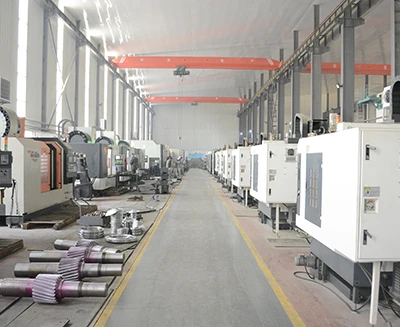
● Leading Technology, Reliable Quality, Excellent Service! ● Optimized Design, High quality material select! ● Heat treatment process guarantee. ● Spiral bevel gear, drum gear coupling and carburization. ● Gear teeth quenching.
What can we bring to customers?
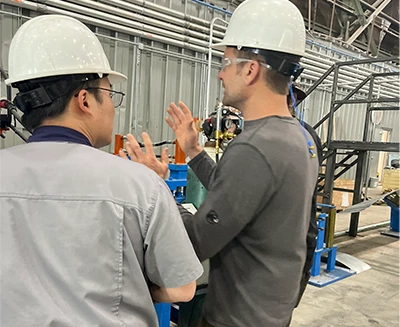
Reliable Quality:Our product has stable performance, low failure rate, long service life and high yeild rate.Excellent Service:24 hours online, reply very quick, 8 hours arrange engineer online guide, 48 hours can arrange engineer visit worksite.
Where do our customers come from?
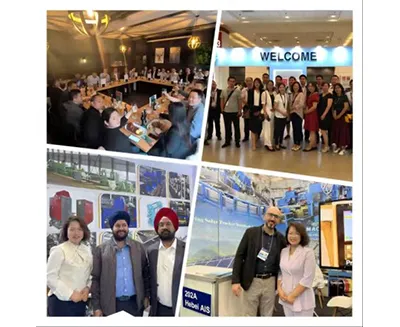
AIS Machinery sales network is covering USA, Euro, Southeast Asia and the Middle East. Under the principles of "Assistant, Improve, Solution", our company becomes one of most competitive companies in the industry step by step.
-
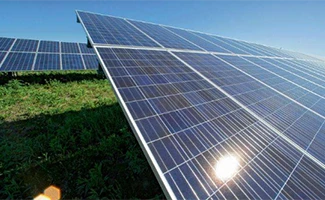
Solar piles
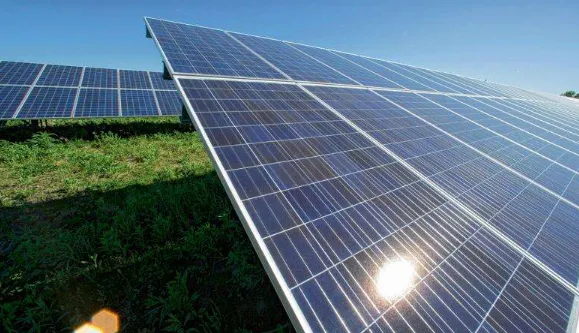
As solar projects become more popular in these coming years, steel pipe piles are widely use at the construction of renewable energy projects such as wind and solar .READ MORE

-
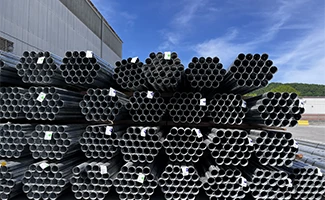
Natural gas and Liquid transmission
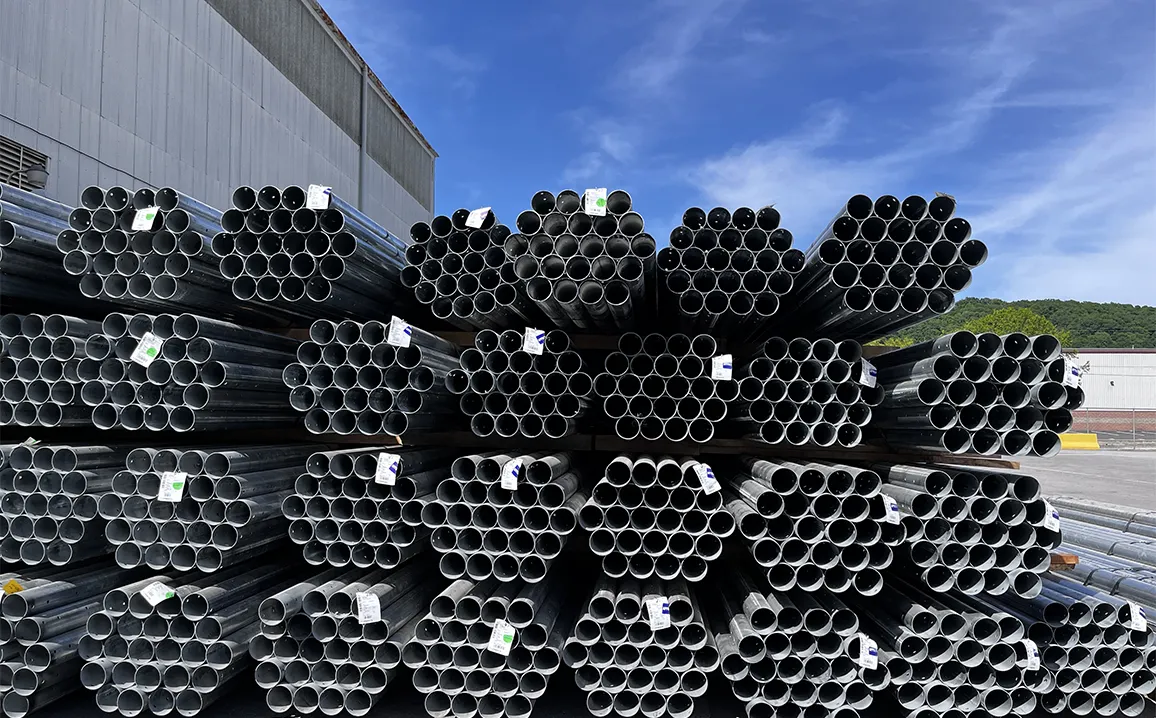
ERW steel pipes are commonly used in the transmission of natural gas from production sites to distribution centers and end-users.READ MORE
-
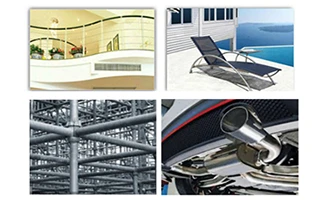
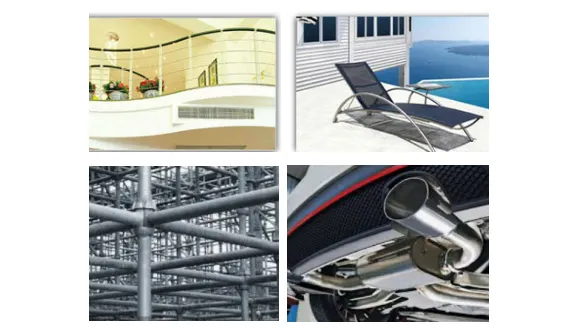
Automotive, Construction,Furniture
Electric Resistance Welded (ERW) tubes are pivotal across many industries, thanks to their precision, strength, and adaptability.READ MORE



Send a Message
Dear customer, thank you for your attention! We provide high-quality machinery and equipment and look forward to your orders. Please inform us of your needs and we will respond quickly!
 English